
Die 17th Africa Day for Food and Nutrition Security (ADFNS), held on 29–30 October 2026 at the Safari Park Hotel in Nairobi, Kenya, brought together around 650 participants representing African Union Member States, international organisations, civil society, academia, youth groups and development partners.
Food safety and the role of Africa’s informal food sector featured prominently in the discussions, with FS4Africa partners contributing to both the main programme and a dedicated side event.
Putting the informal food sector on the food safety agenda
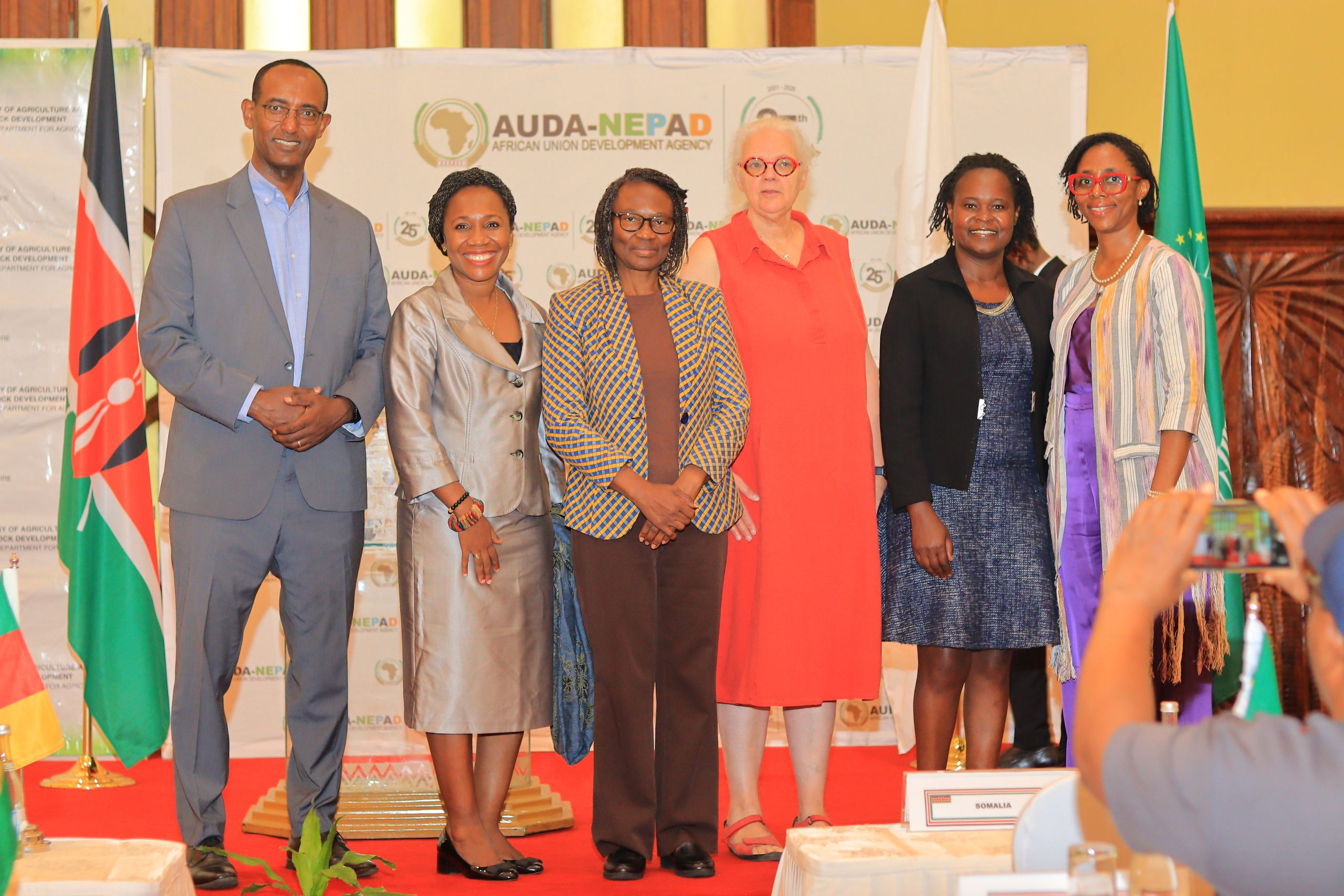
As part of AUDA-NEPAD’s Sub-theme 2, “Safe Water, Soil Health, Food Safety and Healthy Diets,” Dr. Titilayo Falade delivered the technical presentation “Food Safety in Africa’s Diets: Is the Informal Sector Left Out of the Africa We Want?”
The session, attended by around 110 participants and moderated by Dr. Betty Lanyero of WHO Kenya, highlighted the importance of ensuring that informal food systems are fully considered in Africa’s food safety policies and interventions.

This focus closely reflects the priorities of FS4Africa, which places particular attention on improving food safety within the informal sector and strengthening the participation of food-system actors in the development of practical and locally relevant solutions.
Connecting food safety, fortification and healthy diets
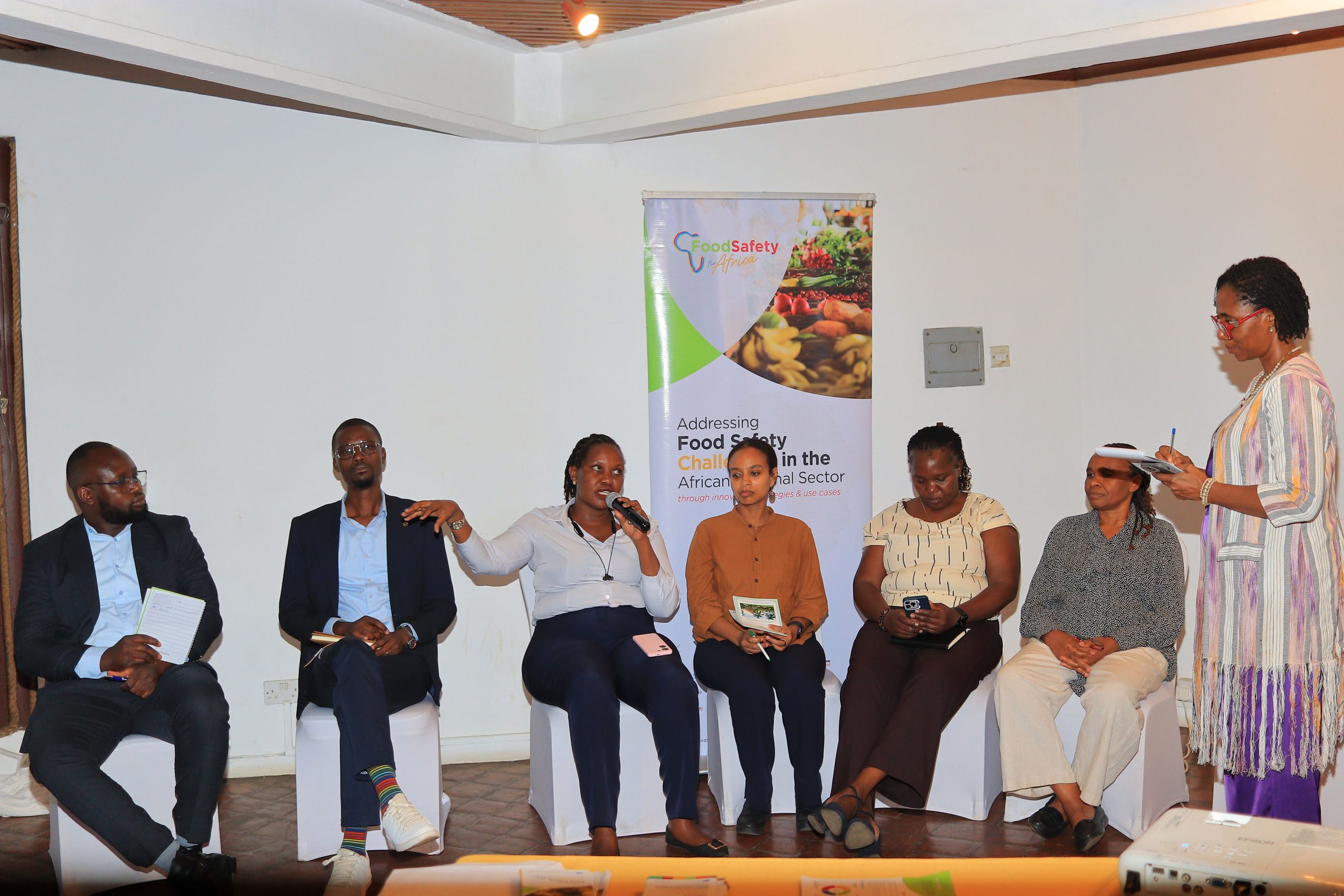
IITA and AUDA-NEPAD, as partners in FS4Africa, also co-hosted the side event “Healthy Diets from the Informal Sector: Food Safety, Food Fortification and the Food Environment.”
Around 40 participants joined the session, which was moderated by Ms. Olumodupe Banwo of IITA. Ms. Winta Sintayehu of AUDA-NEPAD provided the initial framing, outlining the scale of Africa’s food safety challenges and the need for collective approaches that connect food safety, food fortification and the wider food environment.
The panel brought together expertise from FS4Africa, HD4Africa and FCI4Africa, alongside representatives from research, public institutions, development organisations and civil society.
From discussion to action
The discussion identified several priorities for strengthening safer and healthier food systems in Africa. These included better alignment and domestication of policies, sustained public financing, risk-based monitoring and prevention, protection of indigenous foods, viable approaches to small-scale fortification and stronger research-to-action partnerships.
Participants also stressed the importance of consumer information and empowerment, behaviour-informed interventions, and greater integration of multidisciplinary and transdisciplinary approaches into academic curricula and professional training.
Together, these recommendations point to a broader message: improving food safety and nutrition in Africa requires coordinated action across policy, research, markets and communities.
For FS4Africa, the ADFNS discussions reinforced the importance of ensuring that informal food-sector actors are not left at the margins of food safety transformation. Their participation is essential to developing solutions that are practical, inclusive and capable of contributing to healthier diets and more resilient African food systems.
 AF
 EN
 FR
 DE
 NL
 SL
 EL
 AR
 AM
 SW
 ZU